 th
th

แกนเคลือบหม้อแปลง: วัสดุและประสิทธิภาพ
แกนเคลือบหม้อแปลงคืออะไร และเหตุใดจึงมีความสำคัญ
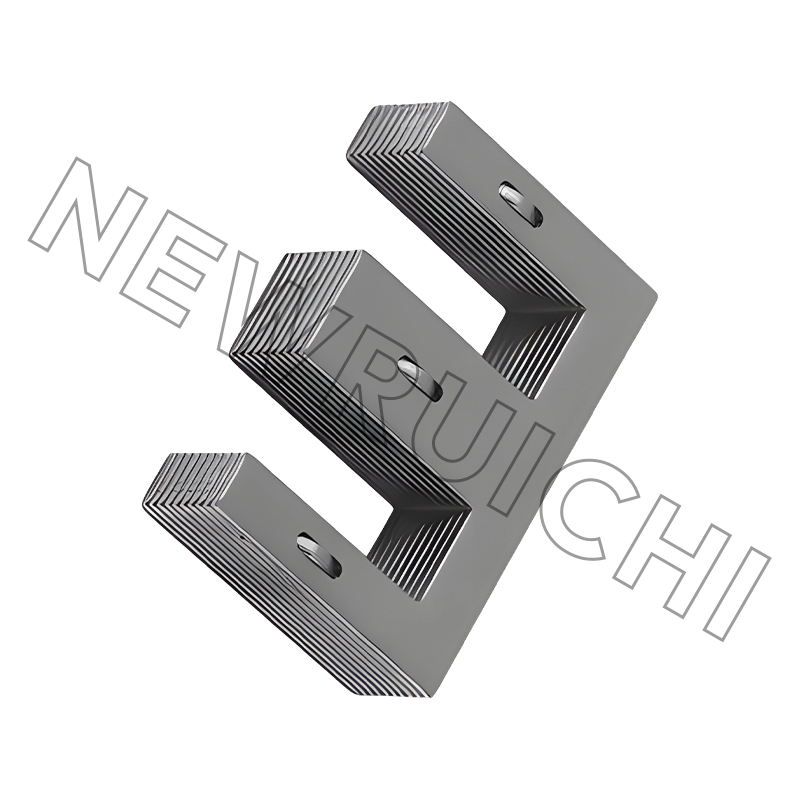
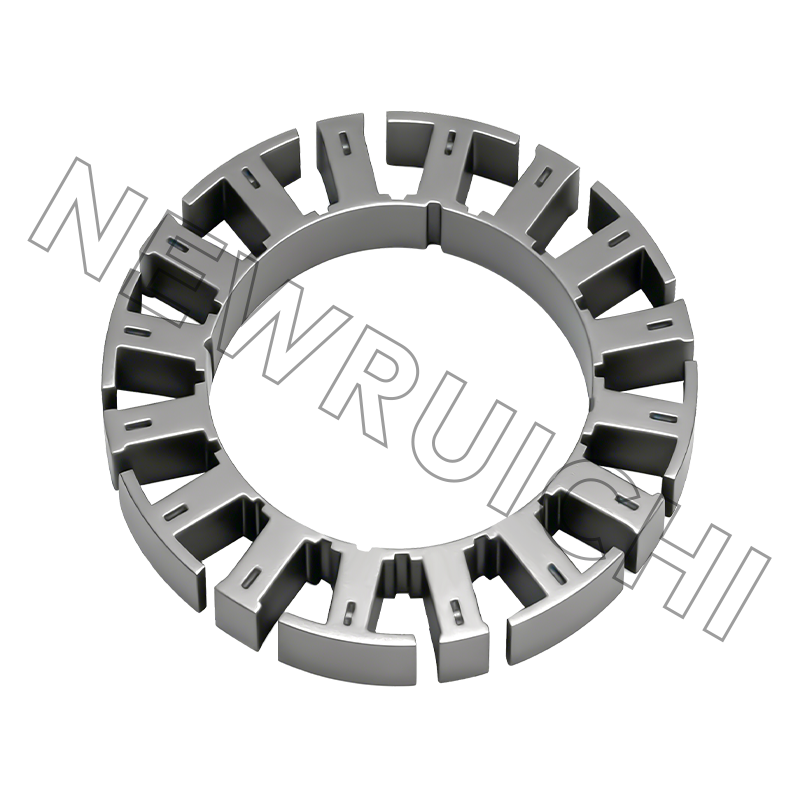
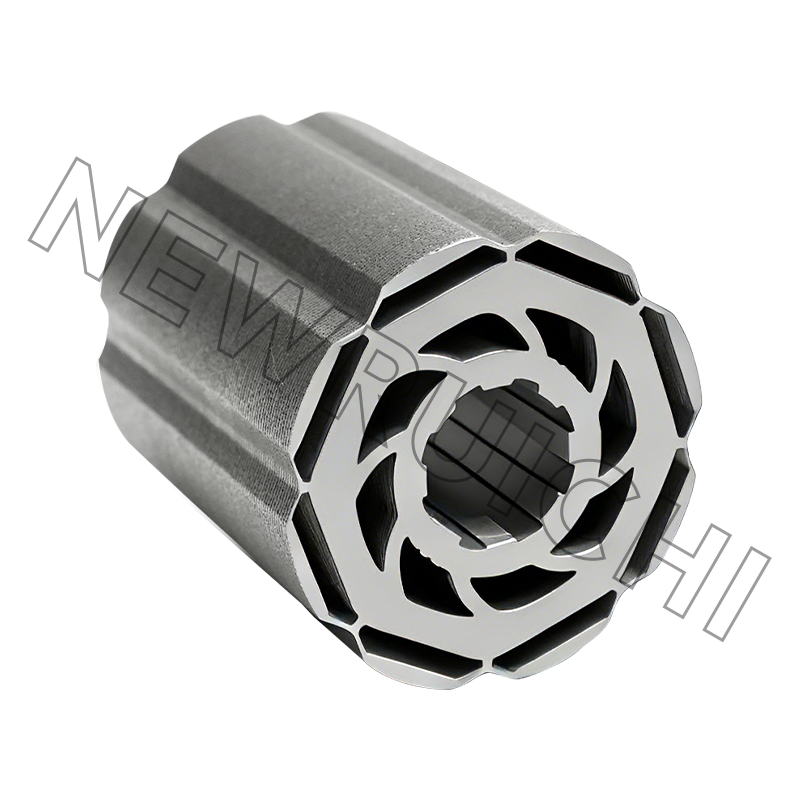
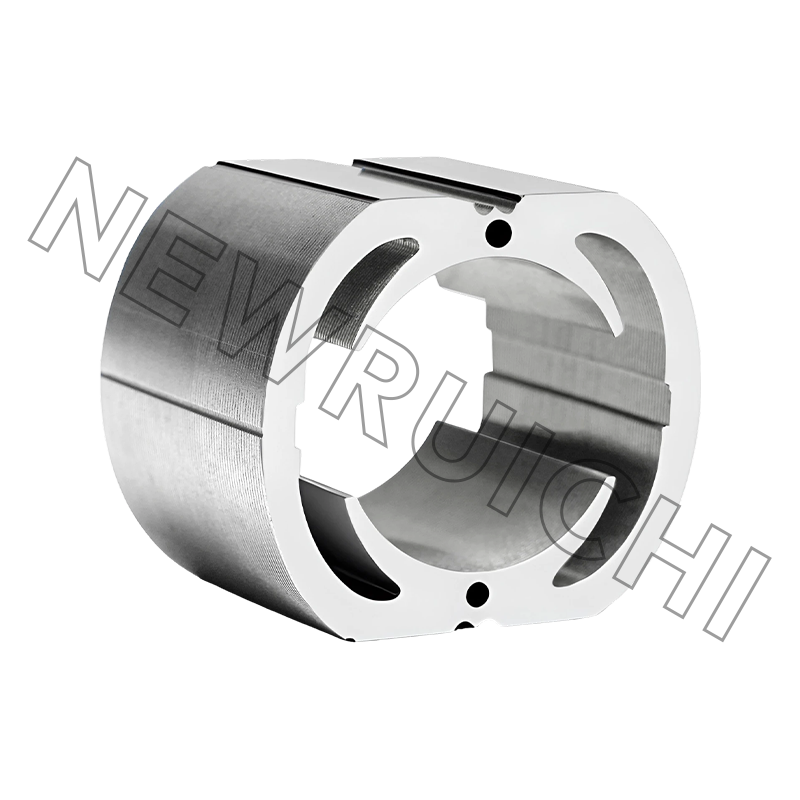
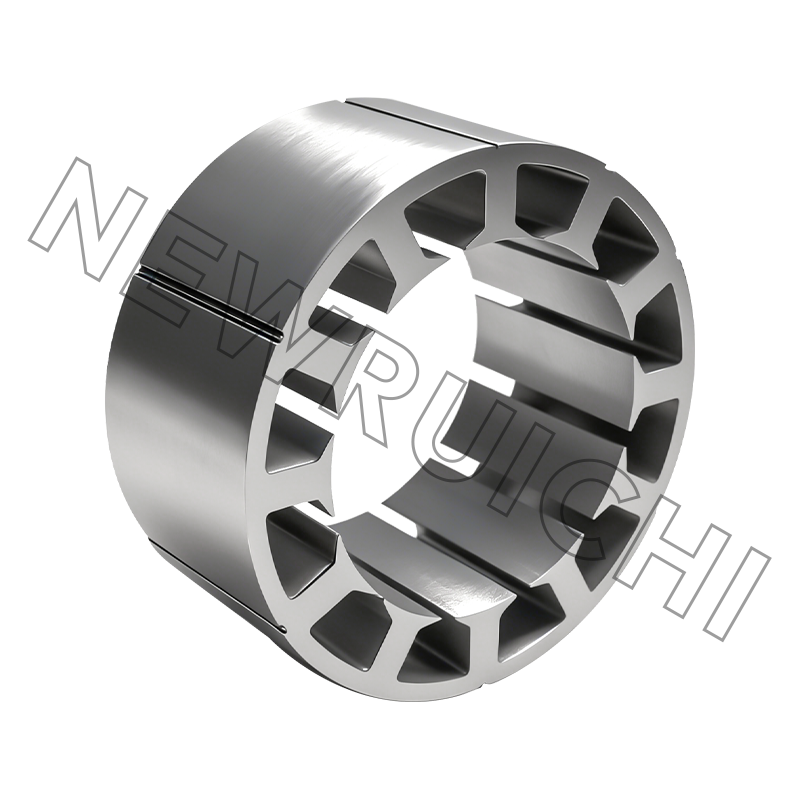
ก แกนเคลือบหม้อแปลง เป็นหัวใจแม่เหล็กของหม้อแปลงไฟฟ้าใดๆ สร้างขึ้นโดยการซ้อนแผ่นเหล็กไฟฟ้าบางๆ หรือที่เรียกกันทั่วไปว่าการเคลือบ เพื่อสร้างวงจรแม่เหล็กปิดที่ส่งกระแสฟลักซ์แม่เหล็กระหว่างขดลวดปฐมภูมิและขดลวดทุติยภูมิ ซึ่งแตกต่างจากแกนเหล็กแข็ง โครงสร้างแบบลามิเนตช่วยลดการสูญเสียของกระแสไหลวนได้อย่างมาก โดยการขัดขวางเส้นทางที่เป็นสื่อกระแสไฟฟ้า ซึ่งกระแสหมุนเวียนที่ไม่ต้องการอาจไหลผ่าน
ในทางปฏิบัติ ความแตกต่างนี้เป็นสิ่งสำคัญ กระแสน้ำวนสร้างพลังงานความร้อนและพลังงานเหลือทิ้ง ส่งผลให้ประสิทธิภาพโดยรวมลดลง ด้วยการหุ้มฉนวนแต่ละชั้นด้วยการเคลือบออกไซด์บางๆ หรือชั้นเคลือบเงา แกนกลางจะจำกัดกระแสเหล่านี้ไว้ที่แผ่นแต่ละแผ่น ช่วยลดการสูญเสียความต้านทาน ผลลัพธ์ที่ได้คือแกนประมวลผลที่เย็นลง ทำงานได้อย่างมีประสิทธิภาพมากขึ้น และมีอายุการใช้งานยาวนานขึ้นอย่างมากภายใต้ภาระทางไฟฟ้าที่ต่อเนื่อง
แกนเคลือบหม้อแปลงถูกนำมาใช้กับอุปกรณ์ไฟฟ้าหลากหลายประเภท — จาก หม้อแปลงไฟฟ้า ที่รองรับแรงดันไฟฟ้าระดับกริดถึง หม้อแปลงกระแสไฟฟ้า ใช้ในวงจรวัดแสงและป้องกันเพื่อ เครื่องปฏิกรณ์ ที่จัดการพลังงานปฏิกิริยาในระบบอุตสาหกรรม รูปทรง เกรดวัสดุ และคุณภาพการผลิตของแกนจะกำหนดประสิทธิภาพของอุปกรณ์เหล่านี้โดยตรง
ซิลิคอนสตีล: รากฐานวัสดุแห่งประสิทธิภาพหลัก
การเลือกใช้เกรดเหล็กถือเป็นการตัดสินใจที่เป็นผลสืบเนื่องมากที่สุดในการออกแบบแกนเคลือบหม้อแปลงไฟฟ้า สองประเภทหลักของ เหล็กซิลิคอน ใช้ในอุตสาหกรรม: แบบเน้นเมล็ดพืชและไม่เน้นเมล็ดพืช แต่ละชนิดมีคุณสมบัติทางแม่เหล็กที่แตกต่างกันซึ่งทำให้เหมาะสำหรับการใช้งานที่แตกต่างกัน
เหล็กซิลิคอนแบบเกรน
เหล็กกล้าซิลิกอนแบบเกรน ผลิตขึ้นเพื่อให้โครงสร้างเม็ดผลึกเรียงตัวในทิศทางเดียว โดยทั่วไปจะเป็นไปตามทิศทางการหมุน การจัดตำแหน่งนี้ทำให้สูญเสียแกนกลางต่ำเป็นพิเศษและมีความสามารถในการซึมผ่านสูงเมื่อฟลักซ์แม่เหล็กไหลขนานกับทิศทางนั้น เป็นวัสดุที่ต้องการสำหรับ หม้อแปลงไฟฟ้า โดยที่เส้นทางฟลักซ์ได้รับการแก้ไขและประสิทธิภาพเป็นสิ่งสำคัญยิ่ง ค่าการสูญเสียแกนกลางโดยทั่วไปสำหรับเหล็กเกรนเกรดสูงอยู่ระหว่าง 0.85 ถึง 1.05 W/kg ที่ 1.7 T และ 50 Hz ทำให้เป็นหนึ่งในวัสดุแม่เหล็กอ่อนที่ประหยัดพลังงานมากที่สุดที่มีจำหน่ายในท้องตลาด
เหล็กซิลิกอนที่ไม่เน้น
เหล็กกล้าซิลิกอนที่ไม่มุ่งเน้น มีการกระจายตัวของเกรนสม่ำเสมอมากขึ้น ทำให้มีคุณสมบัติทางแม่เหล็กสม่ำเสมอในทุกทิศทาง แม้ว่าการสูญเสียแกนต่อกิโลกรัมจะค่อนข้างสูงกว่าเกรดที่เน้นเกรน แต่ธรรมชาติของไอโซโทรปิกทำให้เหมาะสำหรับเครื่องจักรแบบหมุนและการใช้งานที่ทิศทางของฟลักซ์เปลี่ยนแปลง — รวมถึงการออกแบบบางอย่างของ เครื่องปฏิกรณ์ และความพิเศษ หม้อแปลงกระแสไฟฟ้า . นอกจากนี้ยังประทับตราเป็นรูปทรงที่ซับซ้อนได้ง่ายกว่า ซึ่งเพิ่มความยืดหยุ่นในการผลิต
ตารางต่อไปนี้เปรียบเทียบเหล็กซิลิกอนสองประเภทจากเมตริกประสิทธิภาพหลัก:
| คุณสมบัติ | เน้นธัญพืช | ไม่มุ่งเน้น |
|---|---|---|
| การสูญเสียแกนกลาง (W/kg) | 0.85 – 1.05 | 2.0 – 4.5 |
| การซึมผ่านของแม่เหล็ก | สูงมาก (ทิศทาง) | ปานกลาง (ไอโซโทรปิก) |
| ความซับซ้อนของการประทับตรา | ปานกลาง | มีความยืดหยุ่นสูง |
| การใช้งานทั่วไป | หม้อแปลงไฟฟ้า | เครื่องปฏิกรณ์ มอเตอร์ CT |
การปั๊มที่แม่นยำ: เปลี่ยนเหล็กดิบให้เป็นการเคลือบที่ใช้งานได้จริง
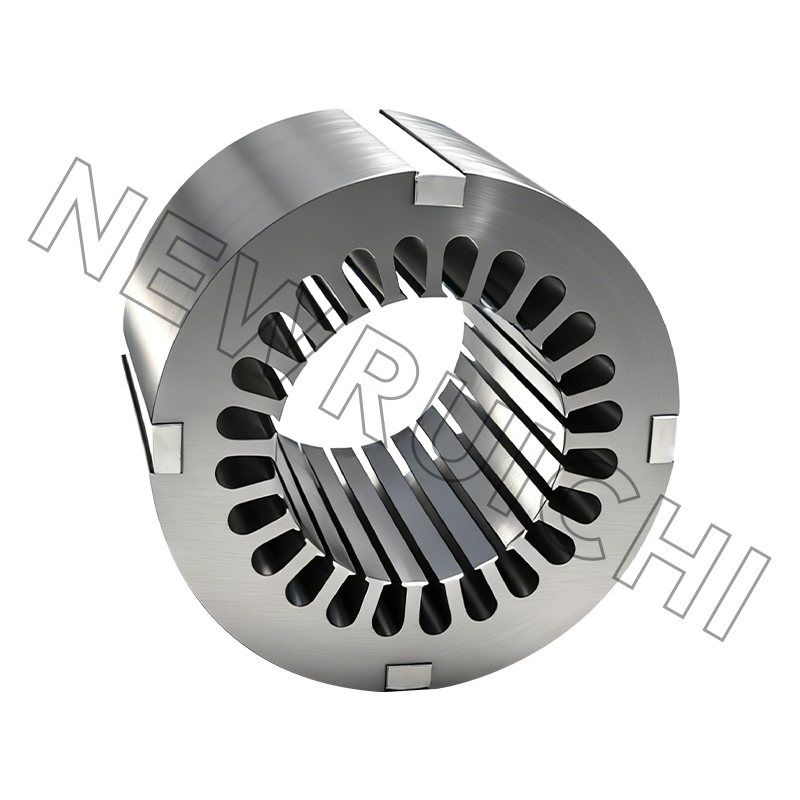
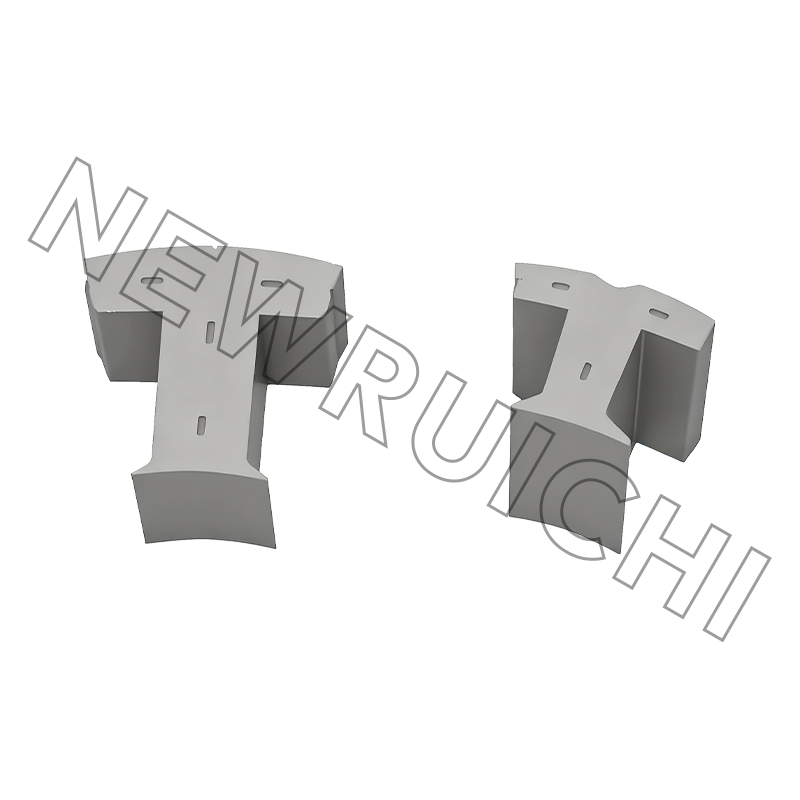
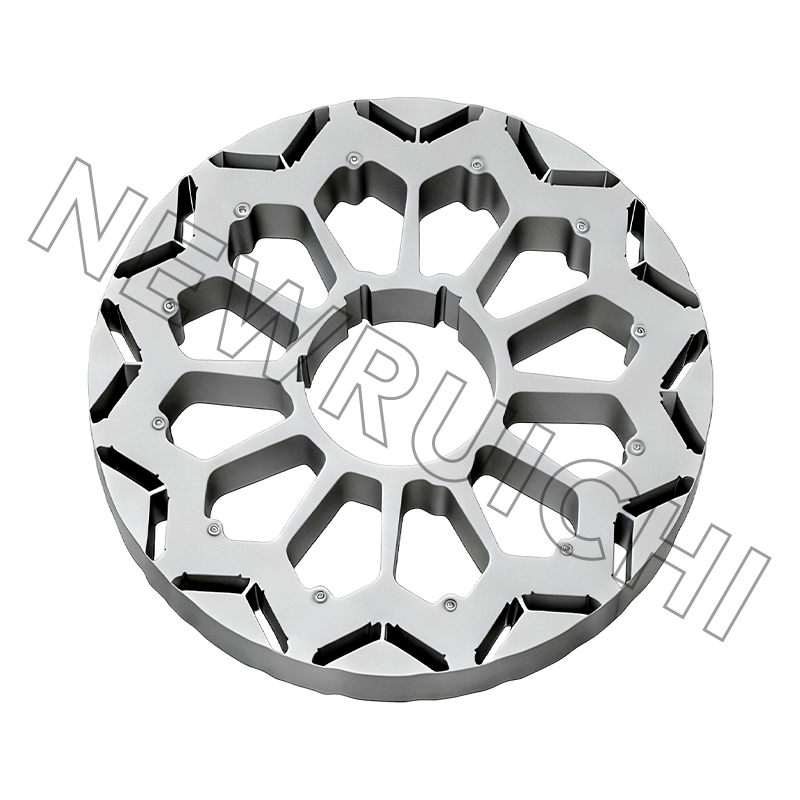
ขดลวดเหล็กซิลิกอนดิบต้องถูกตัดเป็นรูปทรงที่แม่นยำก่อนจึงจะสามารถประกอบเป็นแกนเคลือบหม้อแปลงที่ใช้งานได้ การประทับตราที่แม่นยำ เป็นกระบวนการผลิตที่บรรลุเป้าหมายนี้ โดยใช้ชุดแม่พิมพ์ชุบแข็งเพื่อเจาะการเคลือบเป็นโปรไฟล์ เช่น E-I, C, U หรือรูปทรงวงแหวนที่มีพิกัดความคลาดเคลื่อนแคบถึง ±0.05 มม.
คุณภาพของกระบวนการปั๊มขึ้นรูปมีผลกระทบโดยตรงต่อประสิทธิภาพหลัก การเคลือบที่ตัดไม่ดีทำให้เกิดรอยขรุขระตามขอบ — ส่วนที่ยื่นออกมาของโลหะขนาดเล็กมาก ซึ่งสามารถเชื่อมแผ่นที่อยู่ติดกันและสร้างทางลัดที่เป็นสื่อกระแสไฟฟ้าได้ สะพานเหล่านี้จะคืนเส้นทางกระแสน้ำวนที่การเคลือบได้รับการออกแบบมาให้กำจัดออกไป การปั๊มที่มีความแม่นยำสูงด้วยเครื่องมือที่คมและได้รับการดูแลอย่างดีทำให้หน้าตัดที่สะอาดซึ่งรักษาความสมบูรณ์ของการเคลือบพื้นผิวฉนวนบนแต่ละแผ่น
พารามิเตอร์หลักที่ควบคุมการปั๊มขึ้นรูปอย่างแม่นยำ ได้แก่:
- ความหนาของการเคลือบ: เกรดมาตรฐานมีตั้งแต่ 0.23 มม. ถึง 0.50 มม. การเคลือบที่บางลงจะช่วยลดการสูญเสียของกระแสไหลวนเพิ่มเติม แต่ต้องใช้เครื่องมือที่แม่นยำยิ่งขึ้น และเพิ่มความซับซ้อนในการประกอบ
- ความสูงของเสี้ยน: ควบคุมให้ต่ำกว่า 0.03 มม. ในการผลิตคุณภาพสูงเพื่อป้องกันการลัดวงจรระหว่างชั้น
- ความสม่ำเสมอของมิติ: ขนาดที่สม่ำเสมอของชิ้นส่วนหลายพันชิ้นทำให้มั่นใจได้ว่าชั้นซ้อนกันที่แน่นและไม่มีช่องว่างพร้อมการฝืนแม่เหล็กที่คาดเดาได้
- ปัจจัยการซ้อน: อัตราส่วนของวัสดุแม่เหล็กต่อความสูงของสแต็กทั้งหมด โดยทั่วไปคือ 95–98% สำหรับแกนที่มีการประทับตราอย่างแม่นยำ ส่งผลโดยตรงต่อความหนาแน่นและประสิทธิภาพของฟลักซ์
บทบาทของการหลอมในการฟื้นฟูคุณสมบัติแม่เหล็ก
การตอกมีความรุนแรงทางกลไก ความเค้นเฉือนที่เกิดขึ้นระหว่างการตัดจะบิดเบือนโครงสร้างเม็ดผลึกของเหล็กซิลิคอน ทำให้ความสามารถในการซึมผ่านของแม่เหล็กลดลง และเพิ่มการสูญเสียแกนกลาง บางครั้งอาจประมาณ 20–40% เมื่อเทียบกับวัสดุบริสุทธิ์ นี่คือที่ กระบวนการหลอม กลายเป็นสิ่งจำเป็น
กnnealing involves heating the stamped laminations to a controlled temperature — typically between 750°C and 850°C for non-oriented grades, and around 820°C for grain-oriented steel — and holding them there for a defined soak time before controlled cooling. This thermal cycle allows dislocations and residual stresses in the grain structure to relax and reorder, restoring the material's low-loss magnetic character.
นอกเหนือจากการบรรเทาความเครียดแล้ว การอบอ่อนในบรรยากาศที่มีการควบคุมยังสร้างหรือเพิ่มชั้นออกไซด์ของพื้นผิวฉนวนบนการเคลือบแต่ละครั้งอีกด้วย ชั้นนี้มีความสำคัญอย่างยิ่งต่อการแยกทางไฟฟ้าระหว่างแผ่น ผู้ผลิตที่ข้ามหรือดำเนินการขั้นตอนการอบอ่อนไม่เพียงพอ อาจเสี่ยงต่อการส่งแกนที่มีเสียงดัง ร้อนกว่า และมีประสิทธิภาพน้อยกว่าที่ระบุไว้ ซึ่งเป็นปัญหาสำคัญสำหรับ ระบบส่งและจำหน่ายไฟฟ้า ซึ่งคาดว่าจะมีการดำเนินการอย่างต่อเนื่องมานานหลายทศวรรษ
การออกแบบเสียงรบกวนต่ำ: การแก้ปัญหาสนามแม่เหล็กที่แหล่งกำเนิด
เสียงเป็นเกณฑ์ประสิทธิภาพที่มักถูกมองข้ามสำหรับแกนเคลือบหม้อแปลง แหล่งที่มาหลักของฮัมหม้อแปลงคือ สนามแม่เหล็ก - การยืดและการหดตัวทางกายภาพของการเคลือบเหล็กซิลิกอนเมื่อถูกทำให้เป็นแม่เหล็กแบบวงกลม โดยทั่วไปจะเป็นสองเท่าของความถี่จ่าย (100 เฮิรตซ์ที่ระบบ 50 เฮิรตซ์) การหมุนเวียนในมิตินี้สร้างการสั่นสะเทือนที่แผ่กระจายออกมาเป็นเสียงรบกวนจากโครงสร้างแกนกลาง
การลดเสียงรบกวนจากสนามแม่เหล็กต้องให้ความสนใจในหลายขั้นตอนของการออกแบบและการผลิตหลัก:
- การเลือก เกรดเหล็กซิลิกอนที่มีสนามแม่เหล็กต่ำ โดยเฉพาะอย่างยิ่ง Hi-B หรือวัสดุเชิงเกรนที่ผ่านการขัดเกลาโดเมน ซึ่งแสดงความเครียดในมิติที่ต่ำกว่าอย่างมีนัยสำคัญภายใต้ฟลักซ์แม่เหล็กสลับ
- การเพิ่มประสิทธิภาพ การออกแบบร่วมกัน — ข้อต่อแบบขั้นบันได โดยที่การเคลือบซ้อนทับกันในชั้นที่เซ จะช่วยลดความเข้มข้นของฟลักซ์เฉพาะที่ที่มุมและข้อต่อ โดยจะตัดแอมพลิจูดของการสั่นสะเทือนโดยตรง
- รักษาความสม่ำเสมอ แรงดันหนีบ ข้ามกองเพื่อให้การเคลือบไม่สามารถสั่นสะเทือนได้อย่างอิสระระหว่างการทำงาน
- กpplying การหลอมบรรเทาความเครียด หลังการประกอบตามความเหมาะสม ช่วยลดความเครียดทางกลในตัวซึ่งจะขยายการตอบสนองการสั่นสะเทือน
มาตรการที่รวมกันเหล่านี้มีความสำคัญอย่างยิ่งสำหรับหม้อแปลงที่ติดตั้งในสภาพแวดล้อมอุตสาหกรรมที่อยู่อาศัย อาคารพาณิชย์ หรือที่ไวต่อเสียงรบกวน ซึ่งเสียงในการดำเนินงานอยู่ภายใต้ข้อจำกัดด้านกฎระเบียบ
กpplications in Power Transmission and Distribution Systems
แกนเคลือบหม้อแปลงไม่ใช่ส่วนประกอบแบบใช้ครั้งเดียว แต่เป็นเทคโนโลยีที่เอื้อต่ออุปกรณ์ไฟฟ้าหลากหลายประเภทที่สนับสนุนความทันสมัย ระบบส่งและจำหน่ายไฟฟ้า . การทำความเข้าใจว่าตัวเลือกการออกแบบหลักจับคู่กับแอปพลิเคชันเฉพาะอย่างไรช่วยให้วิศวกรเลือกการกำหนดค่าหลักที่เหมาะสมตั้งแต่เริ่มแรก
หม้อแปลงไฟฟ้า — ไม่ว่าจะเป็นยูนิตระดับการกระจายที่ให้บริการในละแวกใกล้เคียงหรือยูนิตสถานีย่อยขนาดใหญ่ที่ลดแรงดันไฟฟ้าในการส่ง — ต้องการคอร์ที่มีการสูญเสียคอร์ต่ำที่สุดที่เป็นไปได้และความหนาแน่นฟลักซ์ความอิ่มตัวสูง เหล็กซิลิกอนแบบเกรนประกอบกับข้อต่อแบบขั้นบันไดและการเคลือบที่ผ่านการอบอ่อนอย่างแม่นยำคือตัวเลือกมาตรฐาน
หม้อแปลงกระแส ที่ใช้ในการป้องกันและการสูบจ่ายต้องใช้แกนที่มีความแม่นยำสูงและเป็นเส้นตรงตลอดช่วงกระแสไฟฟ้าที่กว้าง ความหนาของการเคลือบเล็กน้อยและการควบคุมขนาดที่แน่นหนาถือเป็นสิ่งสำคัญในการรักษาความแม่นยำในการวัดตลอดช่วงการรับน้ำหนักทั้งหมด
เครื่องปฏิกรณ์ ใช้เพื่อจำกัดกระแสฟอลต์หรือจัดการการชดเชยพลังงานรีแอกทีฟ มักจะรวมแกนที่มีช่องว่างซึ่งช่องว่างอากาศโดยเจตนาจะควบคุมตัวเหนี่ยวนำ เหล็กกล้าซิลิกอนที่ไม่มุ่งเน้นมักถูกเลือกสำหรับการใช้งานเหล่านี้เนื่องจากมีรูปแบบฟลักซ์หลายทิศทางที่เกี่ยวข้อง การปั๊มที่แม่นยำช่วยให้มั่นใจได้ว่าช่องว่างอากาศจะสม่ำเสมอและสามารถทำซ้ำได้ตลอดชุดการผลิต ซึ่งเชื่อมโยงโดยตรงกับความทนทานต่อการเหนี่ยวนำของเครื่องปฏิกรณ์
กcross all these applications, the combination of high-quality silicon steel, precision stamping, and proper annealing processes translates directly into improved energy conversion performance, lower operating temperatures, and longer service life — outcomes that reduce total cost of ownership for utility operators and industrial end users alike.
ที่อยู่อีเมลของคุณจะไม่ถูกเผยแพร่ ช่องที่ต้องกรอกมีเครื่องหมาย *

 Email: [email protected]
[email protected]
[email protected]
 โทรศัพท์/โทรศัพท์:
+86-18861576796 +86-18261588866
โทรศัพท์/โทรศัพท์:
+86-18861576796 +86-18261588866
+86-15061854509 +86-15305731515
ลิขสิทธิ์ © Wuxi New Ruichi Technology Co., Ltd. / Wuxi Cailiang Machinery Co., Ltd. All rights reserved.
